
How Christian Art Workshop Uses Texture To Express Faith
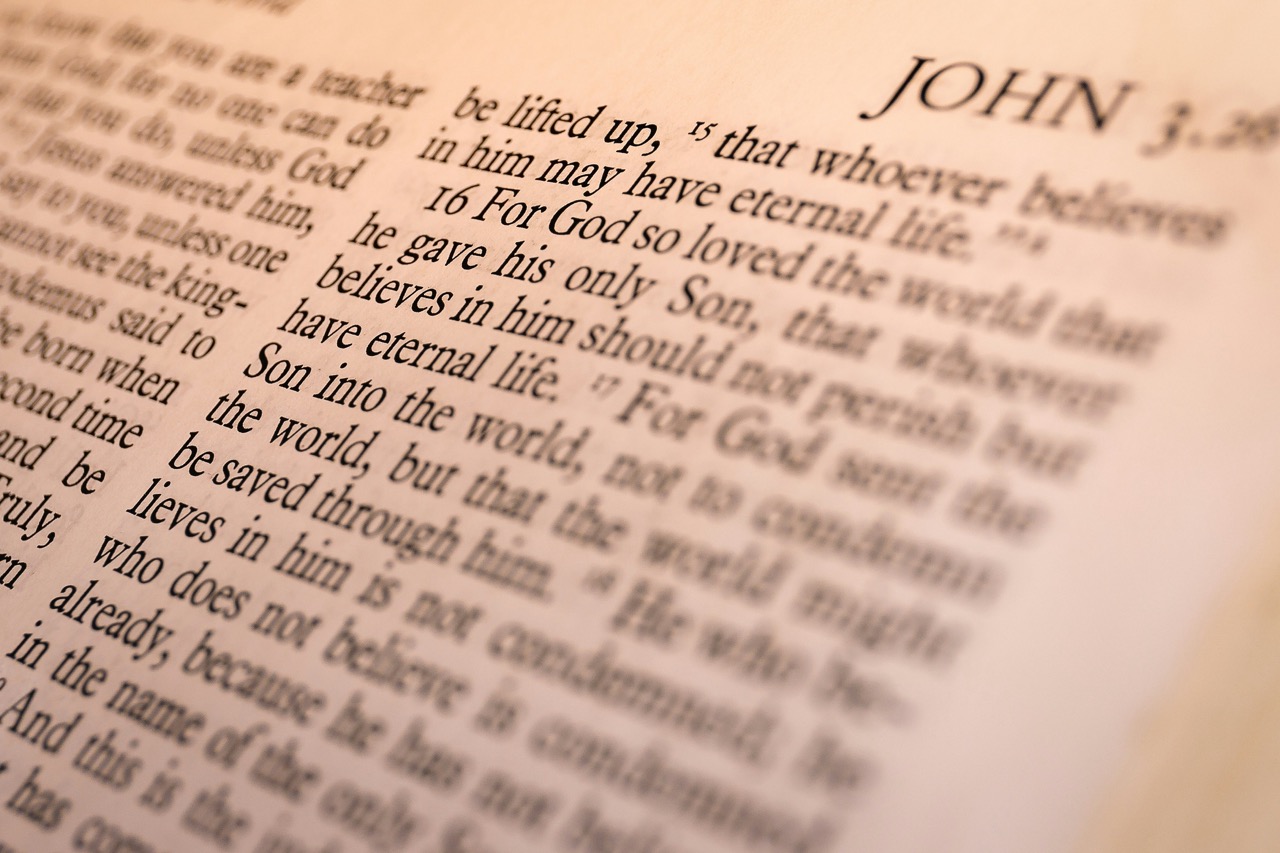
Christian art has long served as a medium for expressing faith, spirituality, and divine narratives. Within this realm, texture plays a crucial role in conveying deeper meanings and emotional resonance. Christian Art Workshops, dedicated spaces for exploration and creativity, harness the power of texture to communicate themes of faith, hope, and redemption. By employing various materials and techniques, artists can create works that not only tell a story but also evoke a sensory experience that invites contemplation and engagement.
Exploring the Role of Texture in Christian Art Expression
Texture in Christian art is more than a mere aesthetic choice; it serves as a profound means of expression. Artists in Christian Art Workshops often utilize a variety of materials, such as clay, wood, and fabric, to create texture that symbolizes different aspects of faith. For instance, rough surfaces may represent the struggles and trials faced in spiritual journeys, while smooth textures can illustrate the grace and peace found in divine love. This tactile dimension adds depth to the viewer’s experience, inviting them to explore the narrative behind the artwork in a more intimate and personal way.
Furthermore, texture in Christian art can also evoke specific emotional responses. In workshops, artists experiment with layering, mixing, and manipulating materials to reflect the multifaceted nature of faith. A piece with intricate patterns may suggest the complexity of theological concepts, while bold, expressive textures might convey the intensity of spiritual fervor. This interplay between texture and emotion allows artists to connect with their audience on a deeper level, fostering a sense of community and shared belief.
Importantly, texture can also serve as a bridge between the sacred and the ordinary. By incorporating familiar materials into their artwork, artists can make spiritual concepts more accessible. A piece that integrates natural elements like wood or stone can remind viewers of God’s creation, grounding them in the physical world while pointing to the divine. In this way, texture becomes a medium through which the sacred and the everyday coexist, inviting viewers to reflect on their own faith journeys.
Crafting Faith: The Impact of Texture in Artistic Creations
In Christian Art Workshops, the process of creating textured pieces often becomes a spiritual journey for the artists. As they work with their hands, shaping and molding materials, they not only express their faith but also engage in a meditative practice. The act of creating can be an offering, a way to connect with the divine, and an opportunity for personal reflection. This deeper relationship with the materials can be seen in the final product, where texture embodies the artist’s spiritual journey and intentions.
Moreover, workshops provide a supportive environment where artists can share their experiences and techniques with one another. This collaborative aspect enhances the exploration of texture, as participants can learn from different approaches and perspectives. The exchange of ideas encourages innovation, leading to unique creations that reflect the diverse interpretations of faith among artists. The communal aspect of texture crafting fosters a sense of belonging, reinforcing the idea that art is not only a personal endeavor but a collective expression of faith.
Finally, the impact of texture extends beyond the visual. When congregations engage with these textured artworks, they are invited to touch and interact with the pieces, creating a multisensory experience. This physical engagement can deepen their understanding and connection to the messages conveyed in the artwork. By allowing themselves to explore texture, viewers can experience a more profound encounter with their faith, reminding them that spirituality can be felt, seen, and expressed in myriad forms.
In summary, the use of texture in Christian art is a powerful medium for expressing faith and spirituality. Christian Art Workshops play a significant role in harnessing this potential, allowing artists to create works that resonate on multiple levels. By exploring the relationship between texture and emotional expression, as well as the communal aspects of creation, these workshops empower individuals to connect more deeply with their beliefs. Ultimately, the textured pieces crafted within these spaces serve as tangible reminders of the divine, inviting viewers to reflect on their faith journeys through the rich, tactile experience of art.