
The Role Of Christian Art Workshop In Sacred Space Transformation
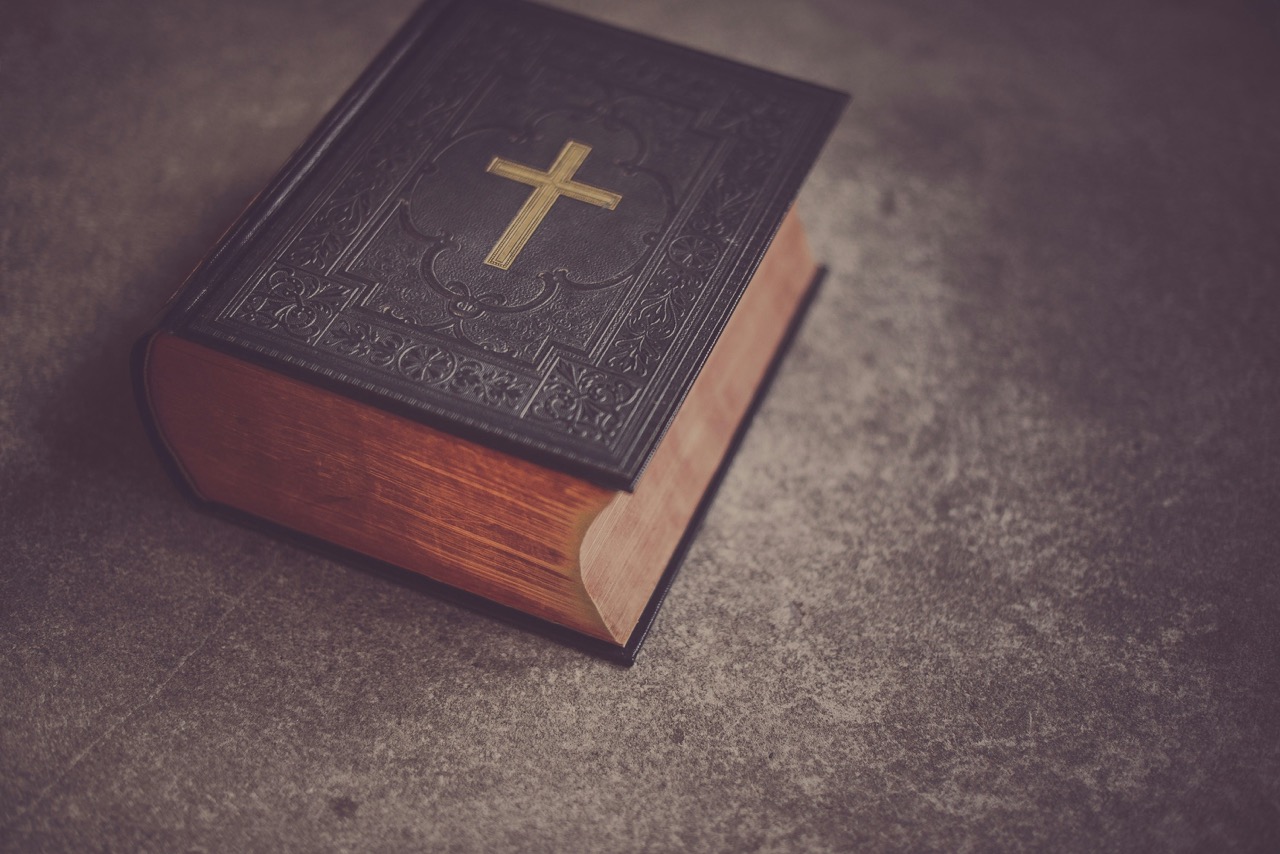
Christian art has long held a significant role in the life of the Church, serving as both a form of expression and a medium for worship. In recent years, the emergence of Christian art workshops has added a new dimension to this tradition, particularly in the transformation of sacred spaces. These workshops not only teach techniques and methods but also encourage participants to explore their spiritual journeys through art. Ultimately, they play a crucial role in enhancing the aesthetic and spiritual experience within sacred spaces, fostering a deeper connection between the worshippers and the divine.
Exploring the Impact of Christian Art in Sacred Spaces
Christian art has historically been a window into the divine, a means of communicating theological concepts and spiritual truths. From the vibrant frescoes of the Renaissance to the simple icons of Eastern Orthodoxy, art serves as a visual language that transcends words. In sacred spaces, this art invites worshippers to reflect, meditate, and engage with their faith on a deeper level. It creates an environment that fosters contemplation and connection, allowing congregants to immerse themselves in the worship experience.
Art workshops that focus on Christian themes provide participants with the opportunity to create pieces that resonate with their spiritual journeys. Through the process of crafting artworks, individuals explore their relationship with God, express their beliefs, and share their experiences. This process often leads to profound personal transformation, which in turn can impact the broader community as these artworks are displayed in sacred spaces. The act of creating together fosters a sense of unity and purpose among participants, helping to build a stronger church community.
The aesthetic enhancement of sacred spaces through Christian art also plays a vital role in attracting and engaging a diverse range of worshippers. A thoughtfully curated environment, filled with meaningful artwork, communicates the message of faith in a language that resonates across generations. As worshippers enter these spaces, they are often struck by the beauty and depth of the art, inviting them to pause and reflect. This heightened sense of atmosphere can make worship more engaging, transforming the space into a sanctuary that encourages spiritual growth.
Transformative Workshops: Art’s Influence on Worship Environments
Christian art workshops serve as incubators for creativity and spiritual exploration, providing a platform for individuals to connect their artistic skills with their faith. Participants are often guided by experienced artists who facilitate discussions about the significance of art in worship. By encouraging attendees to think critically about the role of imagery in their faith, workshops deepen their understanding of how art can enhance their worship experience. This transformation is not only personal but also communal, as the themes explored often reflect the collective values and aspirations of the church community.
The creation of art during these workshops can lead to the development of new pieces that become integral to the sacred space. Whether it is stained glass windows, murals, or sculptures, these artworks are imbued with the spiritual insights and experiences of the artists. As these pieces are installed in the church, they become permanent fixtures that tell a story of faith, perseverance, and community. This process of creation and installation transforms not just the physical space but also the emotional and spiritual landscape of the congregation.
Moreover, the impact of Christian art workshops extends beyond the immediate church community. As congregants create and share their art, they often find opportunities to reach out to the wider community, inviting others to experience the joy of artistic expression tied to faith. This outreach can manifest in various forms, such as art exhibitions, community festivals, or collaborative projects with local artists. By engaging the broader community, these workshops not only enrich the sacred spaces but also act as a bridge that fosters dialogue and understanding around faith, art, and culture.
In conclusion, the role of Christian art workshops in the transformation of sacred spaces is profound and multifaceted. By encouraging creativity, fostering community, and enhancing the worship experience, these workshops contribute to a deeper understanding of faith through art. They empower individuals to express their beliefs and connect with their communities, while simultaneously enriching the spiritual atmosphere of their places of worship. As Christian art continues to evolve, the workshops will remain a vital catalyst for inspiring transformation in both sacred spaces and the hearts of worshippers.