The Role of Silence and Solitude in Faith
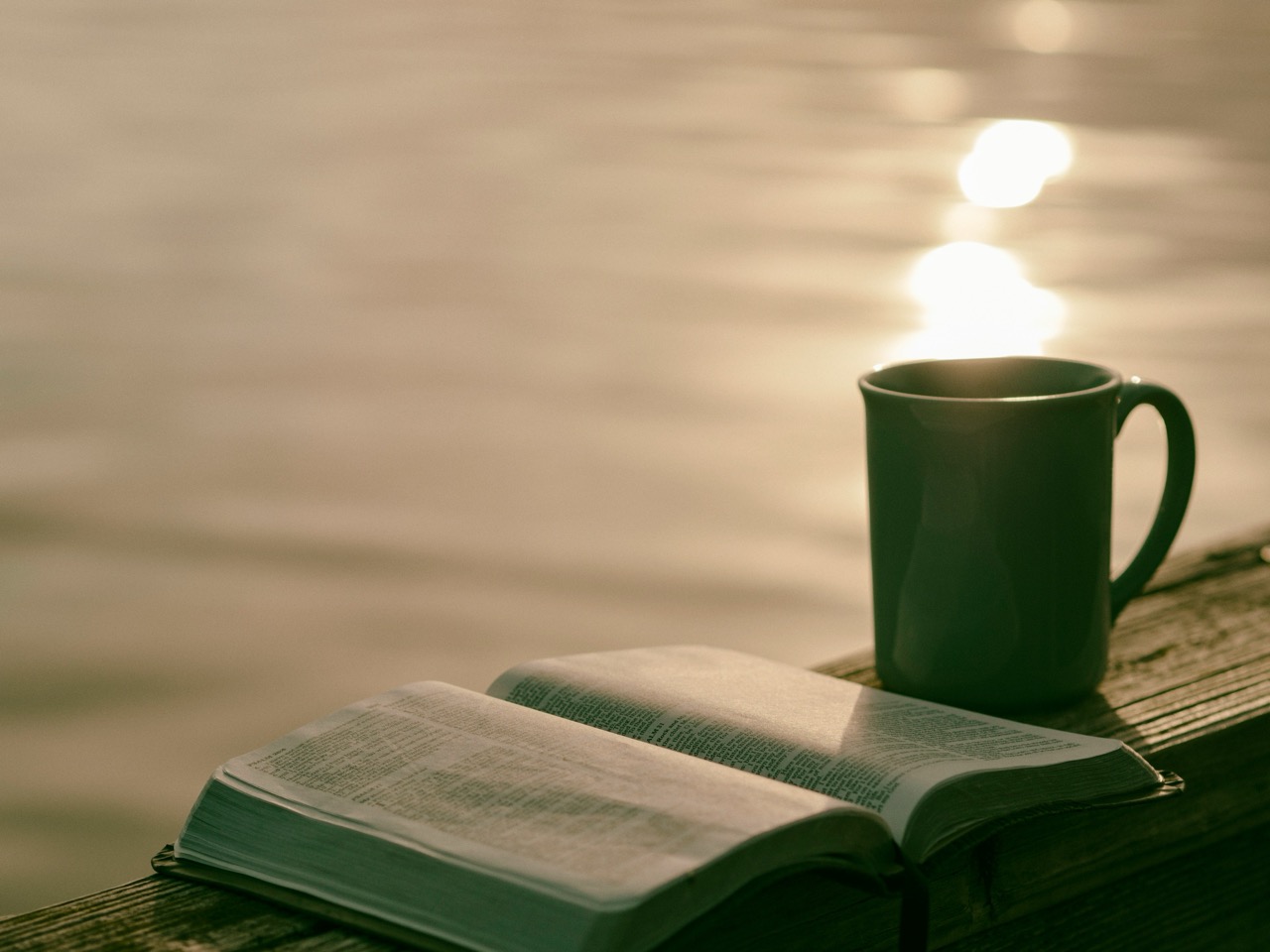
The practices of silence and solitude are among the oldest in Christianity and, for most people now, among the hardest. They involve deliberately removing two things: other people's company, and noise. What remains is uncomfortable at first and, according to a long line of Christian witnesses, eventually clarifying.
The biblical pattern
The Gospels report Jesus withdrawing repeatedly. He goes into the wilderness for forty days before beginning his public work. Mark records him rising long before dawn and going out to a deserted place to pray. After feeding a crowd he dismisses everyone and goes up a mountain alone. Before choosing the twelve, he spends a night by himself in prayer. Facing arrest, he goes apart in Gethsemane.
The pattern predates him. Moses meets God on a mountain. Elijah, exhausted and suicidal, hears God not in wind, earthquake, or fire, but in a sound so faint that translators render it as a low whisper or sheer silence. John the Baptist lives in the wilderness. Paul disappears into Arabia for a period after his conversion.
The early church took this seriously enough to organise lives around it. The St Andrews Encyclopaedia of Theology notes that from the early centuries Christians practised an inward journey through contemplative monasticism, both solitary and communal, alongside anchoritism, meditation, and mysticism, with the deserts of Syria and Egypt becoming the classic setting. Whatever one makes of the desert fathers and mothers, they were not fringe eccentrics; they shaped Christian spirituality for over a thousand years.
Why silence is so difficult now
Almost nobody encounters unfilled time by accident anymore. Queues, lifts, walks, and waiting rooms are all reliably occupied by a screen. Silence therefore has to be chosen, and the first minutes of it are genuinely unpleasant for most people, because the mind produces everything that noise had been covering: an unresolved argument, a task, a worry, a memory you had not agreed to revisit.
That discomfort is precisely why the practice was valued. Silence does not create the anxiety; it just stops drowning it out. Christian writers have long treated the surfacing of buried material as useful information rather than an interruption.
What it does
Spiritually, solitude strips away the audience. Much of what we do is shaped, often unconsciously, by how it will be perceived. Alone and quiet, that pressure drops, and it becomes possible to be honest before God. Silence also makes listening possible, and much prayer is talking.
There is a measurable dimension too, though it is more nuanced than the wellness industry suggests. A study in Scientific Reports, available via PubMed Central, tracked everyday alone time and found a genuinely mixed picture: more solitude was linked to less stress and greater satisfaction of the need for autonomy, but also to more loneliness and lower day satisfaction. Crucially, the negative effects were reduced when the solitude was chosen rather than imposed. Chosen quiet is a different thing from isolation, and the Christian tradition has always insisted that withdrawal exists to serve return.
How to practise
- Start with five minutes. Sit somewhere without a screen. Do not try to achieve anything.
- Use a word or a short phrase. When your mind wanders, return gently to something like "Lord Jesus Christ, have mercy" or simply "here I am." Wandering is expected, not a failure.
- Keep paper nearby. Write down the intrusive task, then let it go rather than rehearsing it.
- Take silent walks. No headphones, no podcast. For many people this is the easiest entry point.
- Build in a longer stretch. A half day every few months, or a retreat once a year. Many monasteries and retreat houses welcome visitors of any background.
- Reduce input generally. A quiet hour after a day of continuous noise is a steep climb.
Two cautions. Solitude is not a substitute for community; the desert tradition sent people back to ordinary life. And for anyone struggling with depression or intrusive thoughts, extended silence alone can be difficult, so it is worth going gently and staying connected to people who know you.
Fellowship is not meant to be optional
If you are a single Christian tired of apps that treat faith as a checkbox, ChristianCafe.com has matched believers for over 25 years. Free to try, Christian owned.
Try ChristianCafe freeSponsored link. We may earn a commission; see our disclosure.
Looking for a church home?
Our directory lists 420,015 church congregations across every US state, with addresses, phone numbers, and websites where available. No church pays to be listed.
Find a church near you