Understanding the Sabbath and Rest in a Busy World
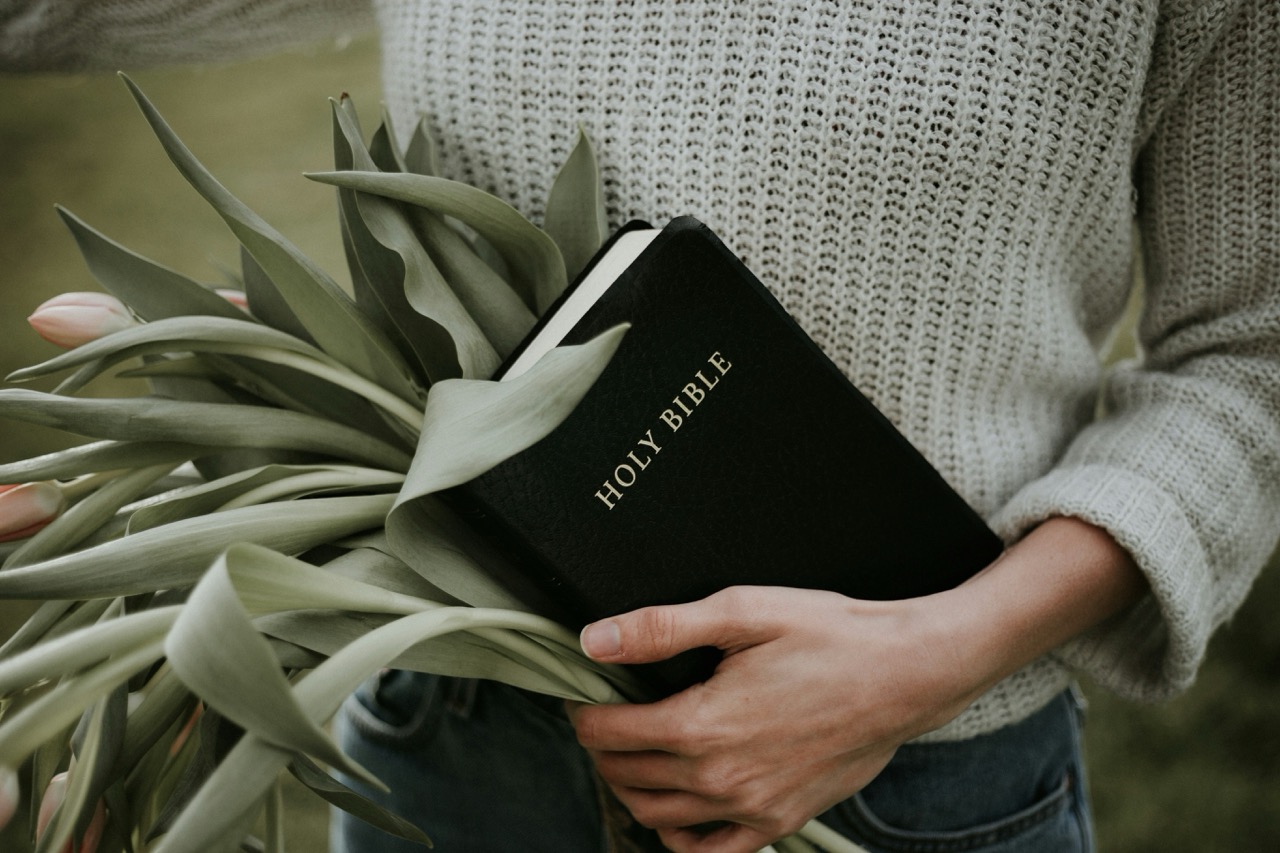
The idea of sabbath rest is one of the strangest commandments in the Bible, because it commands people to stop. Not to achieve, produce, or improve, but to cease. In a culture organised around output, an ancient instruction to do nothing one day in seven has become oddly countercultural.
Where the Sabbath comes from
The Hebrew root behind the word means to cease or desist from an activity. The scholarly survey of the Sabbath in the St Andrews Encyclopaedia of Theology traces its appearance across every strand of the Old Testament, well before the Exile, and notes how the biblical writers grounded it in creation itself: God rests on the seventh day, and human beings are told to imitate that pattern.
Interestingly, the two versions of the Ten Commandments give different reasons. Exodus points back to creation. Deuteronomy points back to slavery in Egypt, framing the Sabbath as the mark of a people who are no longer forced to work without end. That second reason has real bite. The command explicitly covers servants, foreigners, and animals, meaning nobody could claim rest by making someone else labour.
What it is for
- Rest. The plain meaning. Human beings need respite from work, and the command builds it into the calendar rather than leaving it to willpower.
- Worship. The freed time is not meant to be empty. In Jewish and Christian practice alike, the day is oriented toward God.
- Trust. Stopping is an act of faith that the world continues without your effort. The manna story in Exodus makes this explicit, with a double portion gathered so that nobody needed to work on the seventh day.
- Limit. A weekly stop declares that a person is more than their productivity.
Jesus and the Sabbath
Some of the sharpest conflicts in the Gospels are about the Sabbath. Jesus heals on it, his disciples pick grain on it, and his critics object. His responses are instructive rather than dismissive: the Sabbath was made for humankind, not humankind for the Sabbath, and it is lawful to do good on it.
He is not abolishing the day but arguing about its purpose. As the St Andrews survey notes, Jesus took a comparatively liberal line within the debates of his time, allowing healing and food gathering that stricter interpreters forbade, and appealing to the preservation of life as the governing principle.
How Christians differ
Christians do not agree here, and the disagreement is ancient. Most Christian traditions moved their principal gathering to Sunday, the day of resurrection, calling it the Lord's Day rather than the Sabbath. Reformed and Puritan traditions have often held that the fourth commandment binds Christians and transfers to Sunday. Seventh day Adventists and Seventh Day Baptists keep Saturday. Many Christians, following Paul's comments in Romans 14 and Colossians 2 about disputes over special days, treat it as a matter of freedom and conscience. All of these positions are held by serious people reading the same texts.
Practising rest today
Whatever your view of the commandment, the pattern is worth taking seriously, and there is ordinary evidence that stopping matters. A longitudinal study of working adults published in PLOS One and available through PubMed Central found that people who were better able to psychologically switch off from work reported lower anxiety, lower depression risk, and higher life satisfaction a year later, with those who improved at detaching benefiting most.
Some practical shapes people give it:
- Pick a block of time you can actually protect, even if it is an evening plus a morning rather than a full day.
- Decide in advance what stops. Email, chores, errands, and the endless mental list of tasks all count as work.
- Decide what the time is for, rather than leaving it vague. Worship, a long meal, a walk, sleep, people you love, something made with your hands.
- Put the phone somewhere else. Detachment is difficult when work is in your pocket.
- Prepare beforehand. Jewish practice has always involved a day of preparation, because rest requires logistics.
None of this works as another item on a self improvement list. The point of the day is that, for a few hours, you are not trying to get anywhere at all.
Fellowship is not meant to be optional
If you are a single Christian tired of apps that treat faith as a checkbox, ChristianCafe.com has matched believers for over 25 years. Free to try, Christian owned.
Try ChristianCafe freeSponsored link. We may earn a commission; see our disclosure.
Looking for a church home?
Our directory lists 420,015 church congregations across every US state, with addresses, phone numbers, and websites where available. No church pays to be listed.
Find a church near you