The way Christian Art Workshop Develops New Artistic Techniques
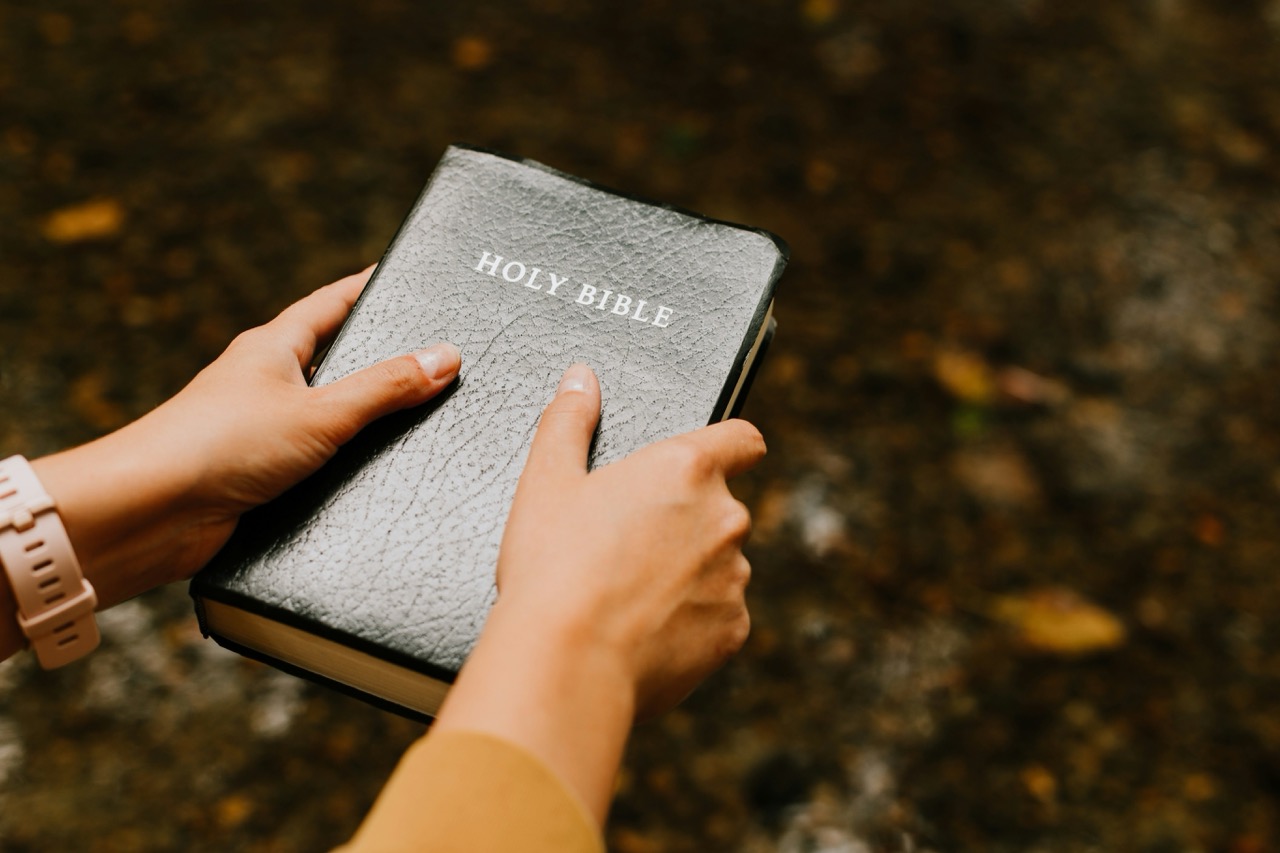
Christian art has long been a medium for expressing faith and spirituality, evolving through centuries of cultural and artistic movements. In recent years, Christian art workshops have emerged as vital spaces for artists to explore and develop innovative techniques that blend traditional methods with contemporary ideas. These workshops not only nurture individual creativity but also foster a community where artistic expression thrives. This article delves into how these workshops are shaping the landscape of Christian art today and promoting new artistic techniques that resonate with modern audiences.
Exploring Innovations in Christian Art Techniques Today
Christian art workshops are at the forefront of innovating traditional practices. Artists are re-examining historical techniques such as fresco, mosaic, and illuminated manuscript creation, often infusing them with modern materials and methods. For example, some workshops have begun incorporating digital tools and techniques, allowing artists to create works that are not only visually striking but also accessible to a broader audience. This fusion of old and new reflects a significant shift in how art is created and consumed, making religious themes more relatable in today’s fast-paced society.
Moreover, the workshops encourage experimentation with various mediums, such as mixed media and installation art. By breaking away from conventional canvases, artists are able to express complex themes related to faith and spirituality in innovative ways. This approach not only engages the artist’s personal journey but also encourages viewers to ponder deeper questions about their own beliefs. Using unconventional materials, such as recycled objects or found items, artists are able to create works that challenge the boundaries of Christian art and open new avenues for dialogue.
The emphasis on collaboration within these workshops also plays a crucial role in developing new artistic techniques. Artists from diverse backgrounds come together to share their experiences and insights, leading to a rich exchange of ideas. This collaborative spirit often results in unique styles and techniques that individuals might not have developed on their own. By harnessing the collective creativity and knowledge of its participants, a workshop can become a crucible for innovation, pushing the envelope of what Christian art can encompass in the modern world.
How Workshops Foster Creativity in Religious Artistry
Workshops dedicated to Christian art often provide a structured yet flexible environment that nurtures artistic growth. With guidance from experienced instructors, artists can explore their spiritual and creative processes more deeply. These mentors not only impart technical skills but also encourage participants to reflect on their personal faith journeys, making the act of creating art a transformative experience. This holistic approach helps foster a deeper connection to the artwork and the message it conveys.
Furthermore, the interactive nature of these workshops can provide a sense of community, which is instrumental in enhancing creativity. Participants often work alongside others who share similar beliefs and artistic passions, creating an environment conducive to inspiration and support. This communal aspect can lead to collaborative projects that combine the strengths of multiple artists, resulting in unique and thought-provoking pieces that reflect a collective vision. Such collaborations can also challenge artists to step outside their comfort zones, leading to personal and artistic growth.
Finally, workshops often culminate in exhibitions that showcase the participants’ work, allowing artists to share their creations with a wider audience. This not only validates their efforts but also provides feedback that can further refine their techniques and artistic expressions. The opportunity to present their work in a public setting encourages artists to take risks and innovate, as they see firsthand the impact their art can have on others. This cycle of creation, feedback, and iteration is essential for the ongoing evolution of Christian art, ensuring it remains relevant and engaging in contemporary society.
In conclusion, Christian art workshops serve as vital incubators for new artistic techniques, fostering creativity and innovation within the realm of religious artistry. By blending traditional methods with contemporary practices, encouraging collaboration, and providing a supportive community, these workshops not only enrich the individual artist’s journey but also contribute to the broader artistic landscape. As they continue to evolve, they hold the promise of bringing fresh perspectives and deeper connections to the age-old themes of faith and spirituality, ensuring that Christian art remains a relevant and compelling mode of expression in our ever-changing world.