What Is the Bible? A Beginner's Guide to the World's Most Read Book
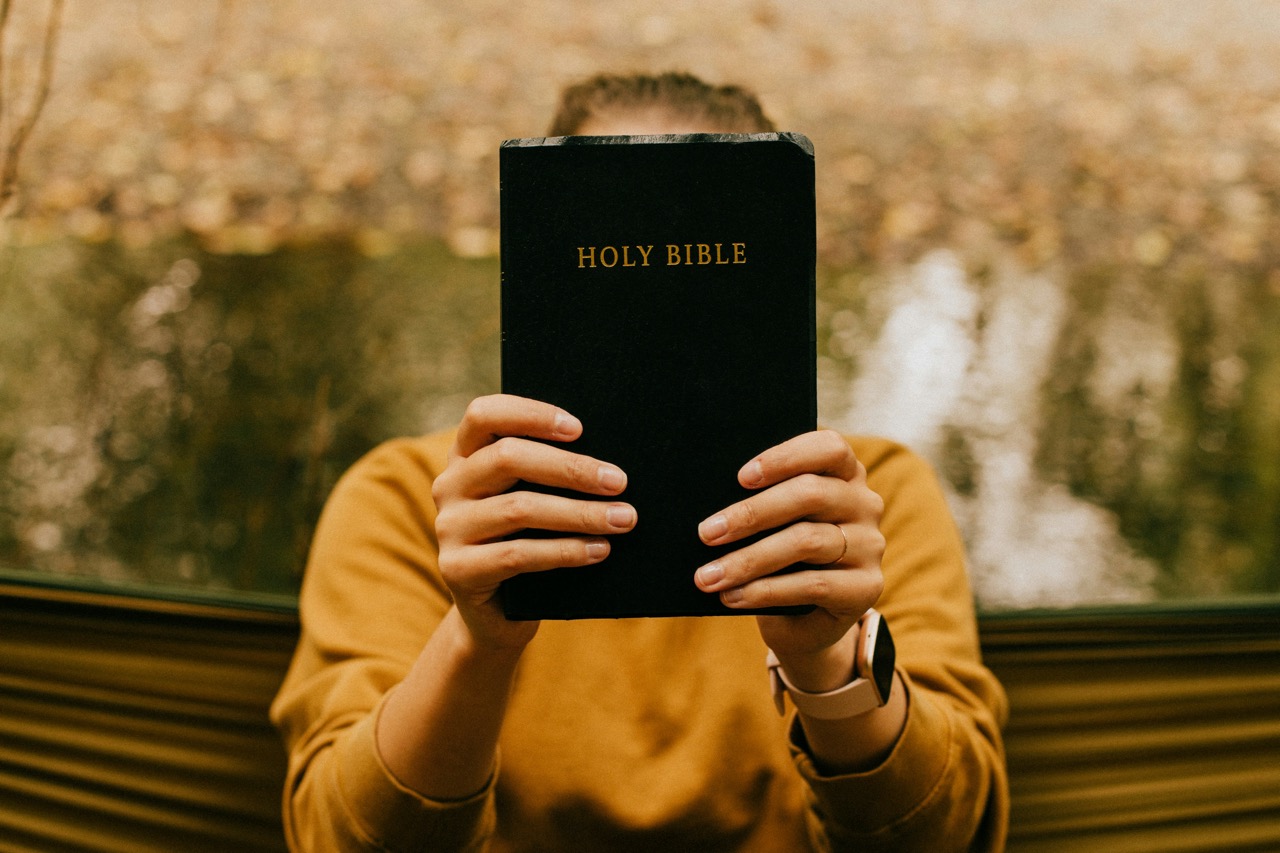
If you have ever picked up a Bible and wondered where to even begin, you are asking a fair question. The short answer to what is the Bible is that it is not one book at all. It is a library: a collection of texts written across many centuries, in three languages, by dozens of people from wildly different backgrounds. Kings, farmers, fishermen, poets, prophets, and a tax collector all contributed to it. Understanding that single fact changes how the whole thing reads.
A Collection, Not a Single Book
The word Bible comes from the Greek biblia, meaning simply "books," in the plural. Open a Bible and you will find historical narrative, ancient law codes, love poetry, hymns, personal letters, philosophical reflection, and visionary literature all bound together. Scholars use the word canon to describe this authorized collection. As one academic overview of the subject puts it, a canon is fundamentally about which writings a community treats as binding, rather than about what happens to be printed between two covers.
That variety matters practically. A psalm and a legal chapter in Leviticus are doing different jobs, and reading them the same way leads to confusion. Treating the Bible as a library rather than a manual is the first real step toward reading it well.
Old Testament and New Testament at a Glance
The collection divides into two major parts. The Old Testament, which Jewish readers know as the Hebrew Bible or Tanakh, contains the story of God and the people of Israel: creation, the exodus from Egypt, the giving of the law, the rise and fall of kingdoms, and the voices of the prophets. Yale's open course on the Hebrew Bible approaches these writings as an expression of the religious life and thought of ancient Israel, set firmly in their ancient Near Eastern world.
The New Testament is much shorter and much later. It gathers four accounts of the life of Jesus, a history of the earliest churches, a set of letters written to young congregations, and a closing book of visions. Christians read the two testaments together, as one unfolding story rather than two unrelated collections.
Why Christians Call It Scripture
Christians commonly call the Bible Scripture, or God's Word. The claim behind those terms is that these human writings carry divine authorship as well: that God spoke through the particular personalities, languages, and historical situations of the writers. Churches describe this differently. Some emphasize that every word is directly given, while others stress that the human authors wrote freely and were guided rather than dictated to. Almost all Christian traditions agree on the practical result: the Bible is the church's authoritative reference point for belief and life, not merely an interesting ancient anthology.
Its Scale and Reach
By any measure, the Bible is the most distributed and most translated text in human history, and that work continues at pace. Global translation figures compiled by the Wycliffe Global Alliance record more than 7,300 living languages worldwide, with some portion of Scripture now available in nearly 7,000 of them. Its influence runs through law, art, music, literature, and everyday English idiom. Phrases like "a drop in the bucket" and "the writing on the wall" came into the language through Bible translation.
How to Approach It as a First-Time Reader
A few practical suggestions make an enormous difference:
- Do not start at page one. Genesis is a fine book, but most new readers do better beginning with one of the Gospels, such as Mark or Luke, and meeting Jesus first.
- Pick a readable translation. Modern versions in contemporary English remove an unnecessary obstacle for a first reading.
- Read whole units. A single verse pulled out of context can be made to say almost anything. Read a chapter, or a whole letter, in one sitting.
- Ask what kind of writing you are in. Poetry, history, and prophecy each carry meaning in their own way.
- Expect to be puzzled sometimes. Even lifelong scholars are. Confusion is not failure; it is the normal cost of reading something ancient and deep.
The Bible has been read, argued over, and loved for thousands of years. You do not need to master it in a month. You only need to open it and start somewhere.
Fellowship is not meant to be optional
If you are a single Christian tired of apps that treat faith as a checkbox, ChristianCafe.com has matched believers for over 25 years. Free to try, Christian owned.
Try ChristianCafe freeSponsored link. We may earn a commission; see our disclosure.
Looking for a church home?
Our directory lists 420,015 church congregations across every US state, with addresses, phone numbers, and websites where available. No church pays to be listed.
Find a church near you